- The Sherry Black Foundation will host Utah Missing and Unsolved Day on Sept. 26.
- The event aims to support families of unsolved cases with resources and advocacy.
- Heidi Miller founded the organization after her mother's 2010 murder went cold.
SOUTH SALT LAKE — The November 2010 murder of Sherry Black stunned those who knew the 64-year-old bookstore owner. Friends and family couldn't conceive of a reason why anyone would want to stab the curious, adventurous but reserved woman to death inside her own business.
Sherry Black's daughter, Heidi Miller, remained in regular contact with detectives in the days and weeks following the high-profile murder. Miller and her husband, Greg Miller, knew police had found the killer's blood at the crime scene. It seemed like a slam-dunk bit of evidence that would allow for a quick solve. But the killer's DNA didn't match any other profiles in existing law enforcement databases.
Public spotlight for the family
At the time, Greg Miller was CEO of the Larry H. Miller Company and owner of the Utah Jazz. The high-profile position elevated public interest in the Sherry Black case. Heidi said she felt the eyes of the community on her during those early days of the investigation.
"I remember going to the first Jazz games after and we sat on the front row," Heidi Miller said in a new bonus episode of KSL COLD podcast. "It was hell. You're trying to put on that face because you know everybody's like, 'Oh, that's the girl whose mom was murdered.'"
Weeks stretched into months, then into years with no answers. South Salt Lake police exhausted their leads and Miller said the well-meaning detectives started taking longer to return her calls. A fear set in that her mother's murder might never be solved.
"When you don't have the answers, it's just this constant weight in the back of your mind," Miller said.
The ambiguous grief of living through a cold case
What followed for Heidi Miller were years of what she described as "ambiguous grief." The inability of police to solve the mystery left Miller and her family in limbo. Her attempts to process the pain and move past it were stymied by reminders that the wound of loss couldn't heal without answers.

The Miller family eventually convinced South Salt Lake police to turn the Sherry Black case over to the Salt Lake County Sheriff's Office, in the hopes the sheriff's office could devote additional resources and expertise to the investigation.
Heidi Miller began consulting with a new set of detectives. The renewed interest provided an injection of hope, but the meetings also took an emotional toll.
"When you go have those meetings with the detectives, it takes you right back there into the grief," Miller said. "Oh, I would just have to go home and crawl into bed for a couple days."
Families of many missing or murdered people deal with these same feelings when investigations go cold. That's why, in 2017, Miller created the Sherry Black Foundation. The non-profit aimed to provide training to law enforcement agencies, as well as support and advocacy for victim families.
Genetic genealogy breaks the Sherry Black case
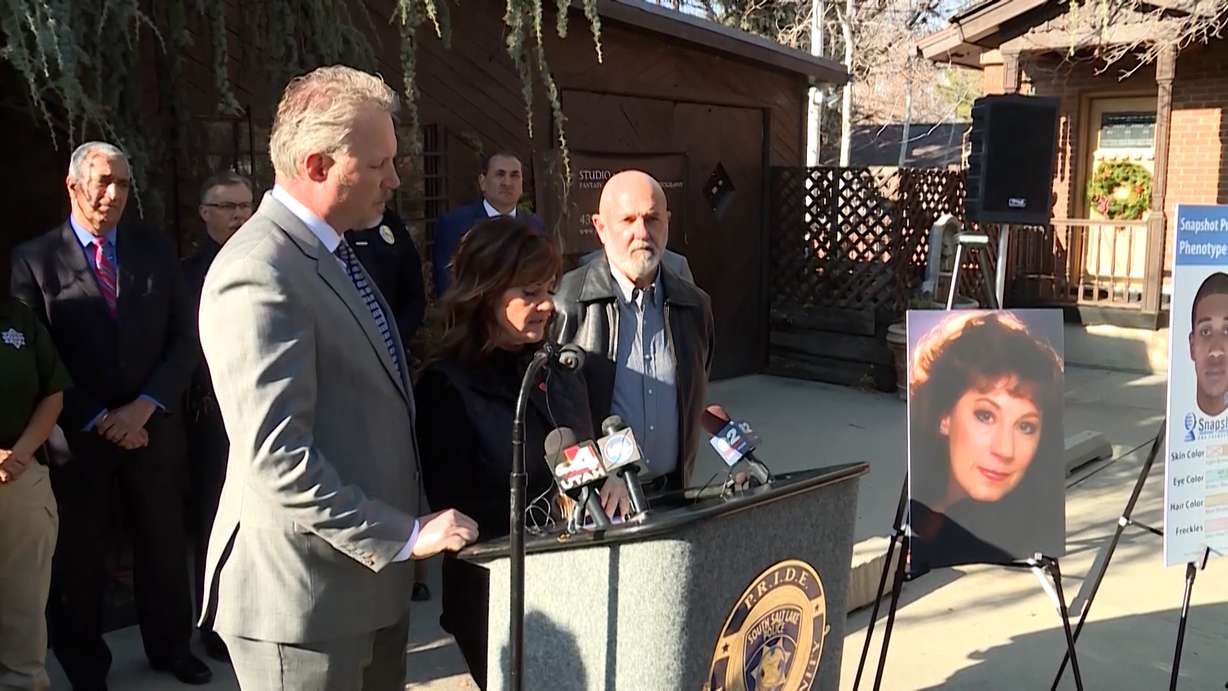
A break in the Sherry Black case came at last, nearly 10 years following the murder. A sheriff's detective named Ben Pender used a new investigative technique called investigative genetic genealogy to identify Black's killer. Using the suspect's DNA, identified a relative and worked through the family tree to at last unmask the man who'd stabbed Black to death.
Pender arrested that man, Adam Durborow, in October 2020. Durborow subsequently pleaded guilty to the murder and is today serving a sentence of life in prison without the possibility of parole.
Since that time, Heidi Miller has continued using the Sherry Black Foundation to provide training, networking and other resources to police agencies.
Utah Missing and Unsolved Day
To that end, the Sherry Black Foundation is co-hosting the inaugural Utah Missing and Unsolved Day on September 26, 2026. They are inviting families of missing or murdered people in Utah whose cases haven't been solved to join them at the Miller Campus of Salt Lake Community College in Sandy.
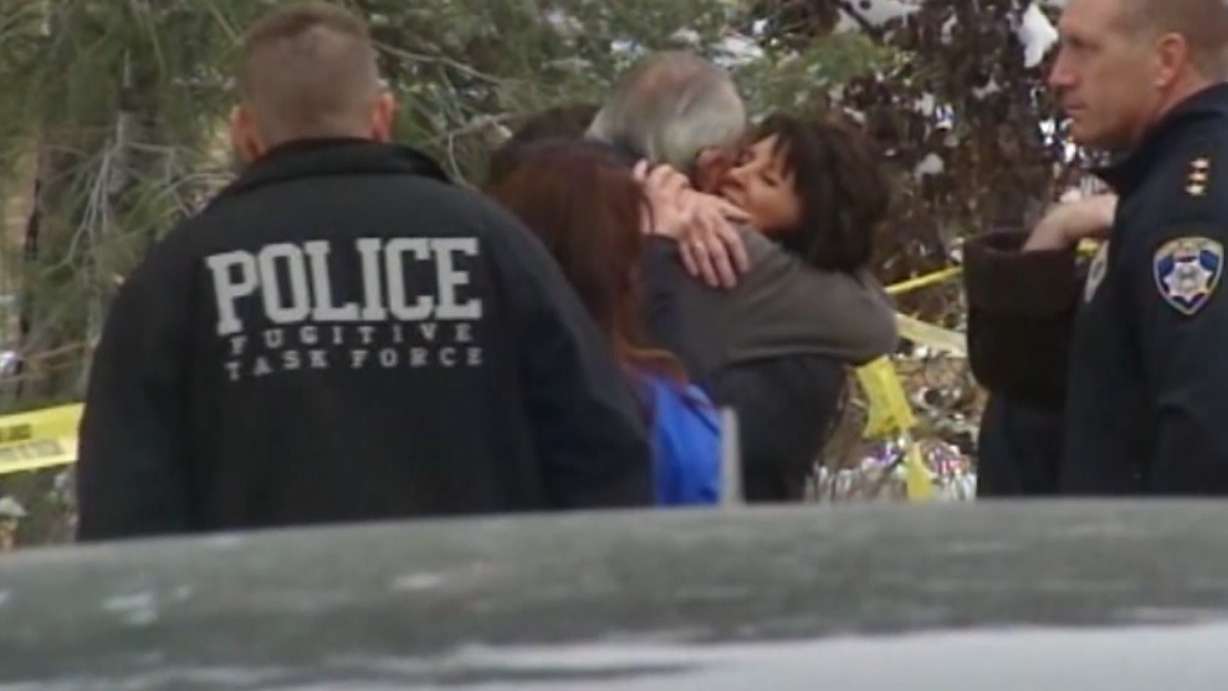
People who attend will be walked through the steps necessary to make sure their loved one is properly listed on cold case databases. They'll be able to connect with victim advocates and learn about the latest advancements in forensic testing and investigative techniques for cold cases.
For Heidi Miller, the event is a way to share the one thing that helped her survive the years of ambiguous grief while her mother's case remained unsolved: hope.
"If somebody goes to this conference," Miller said, "It will give them the hope."