
- Scientists in Utah use telescopes to study deep space for violent events.
- Dr. John Matthews says the mysterious events appear to be even more violent than a supernova.
- The project aims to trace cosmic rays, revealing new insights about the universe.
DELTA — Scientists at the University of Utah, along with others around the world, are taking a close look at deep space with an unusual array of telescopes in the desert of central Utah.
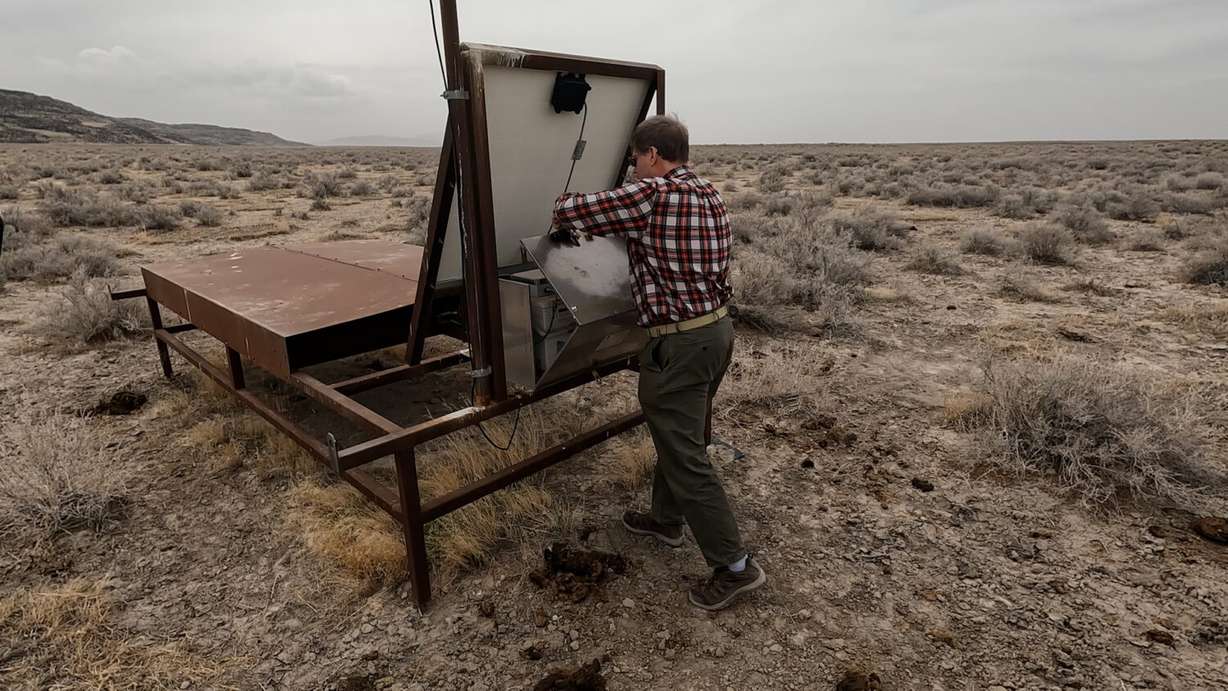
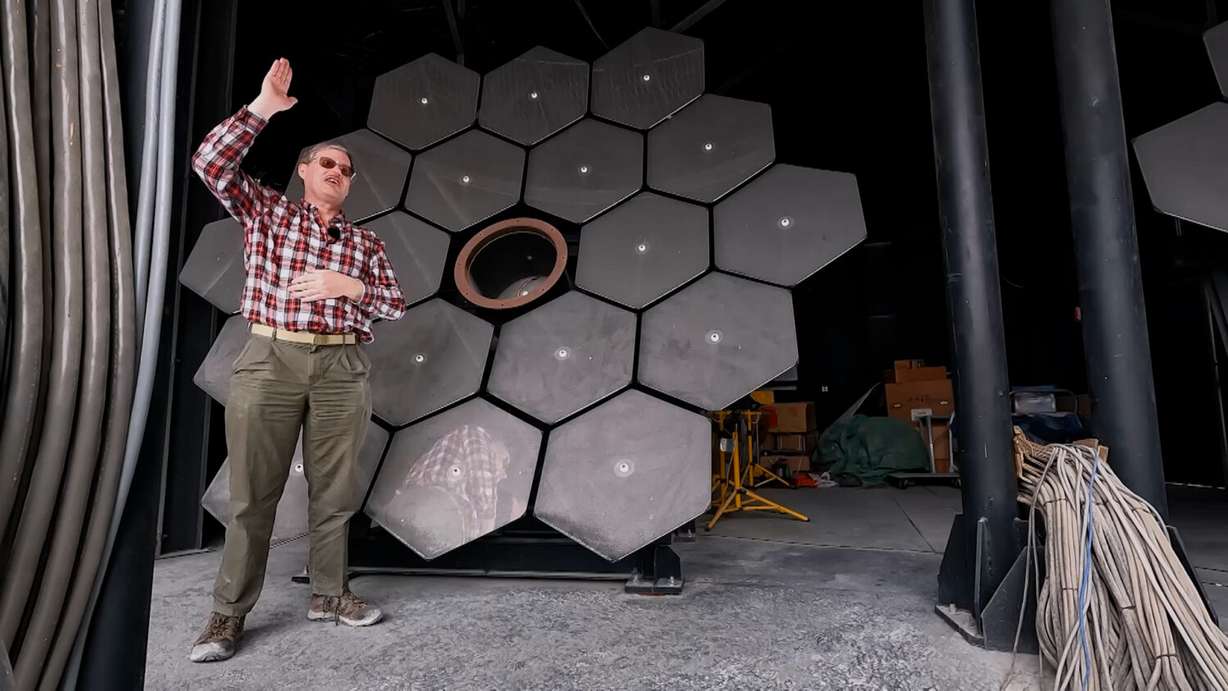
About 1,000 square miles are covered with 60 telescope arrays — made up of specialized mirrors — and about 500 stations called scintillators.
Dr. John Matthews, a professor of physics at the U., anxiously waits for evidence of violent events to be captured by the wide net of telescopes and sensors.
"We don't know what they are, but they're big, huge, violent objects with extreme electric fields, extreme magnetic fields," Matthews said. "And, could be something like a black hole that's eating something, like maybe even another black hole. And it's swirling around as it's going in."
Matthews said the mysterious events appear to be even more violent than a supernova. The evidence comes down in what's called cosmic rays. They can't be seen with the naked eye. While the hope is for the telescope arrays to capture the rays entering the atmosphere, the scintillators are there to grab what's left as the particles spread out onto the desert surface.
"The events that you see with both detectors, that's much more powerful, because now you can combine all this data and figure out more precisely, where did it come from," Matthews said.
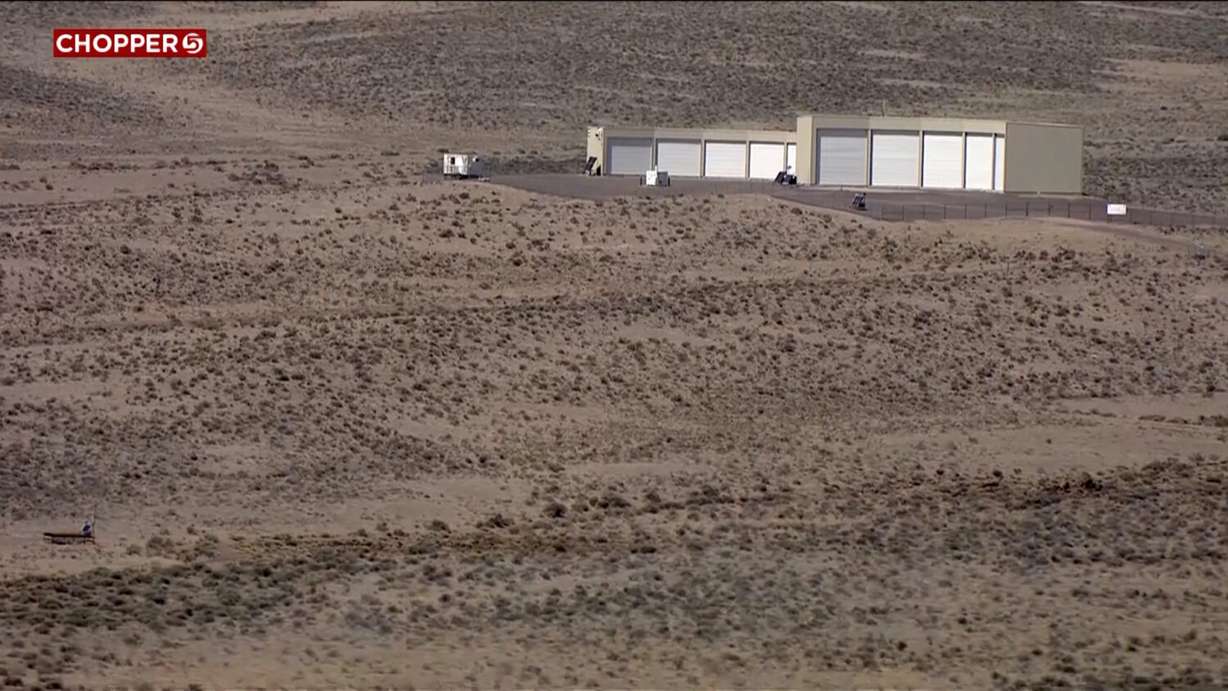
Inside the telescope array buildings, networked computers log terabytes of data for scientists to later decipher. They're trying to narrow down a trail of where they originate, but getting a precise location can be extremely difficult.
While the venture may seem extremely nerdy and obscure, Matthews is hopeful that they can eventually narrow in on some clues about where the cosmic rays are coming from, and what they can tell us about the universe.
"There's a lot of opportunity for new and interesting physics out there," Matthews said.