Estimated read time: 3-4 minutes
This archived news story is available only for your personal, non-commercial use. Information in the story may be outdated or superseded by additional information. Reading or replaying the story in its archived form does not constitute a republication of the story.
WASHINGTON — More than one-third of the total delegates available in both the Republican and Democratic presidential primaries will be awarded on Super Tuesday, when 16 states and one U.S. territory hold presidential nominating contests.
On the Republican side, 854 of 2,429 will be at stake on Super Tuesday, which is traditionally the biggest day on the presidential primary calendar when it comes to the number of states holding presidential primaries and caucuses, as well as the number of delegates in play. Democrats will award 1,420 delegates. Nobody will lock up the nomination on Super Tuesday, but each party's front-runner can get pretty close.
Former President Donald Trump, who has won every presidential contest in which he's appeared on the ballot and earned 122 delegates, needs 1,093 more to hit his so-called "magic number" of 1,215. Once he receives that many delegates, he'll have won a majority of available delegates to the Republican convention this summer and will be considered the party's presumptive nominee.
The earliest Trump can hit that number is March 12, though that could change depending on how many delegates he receives on Super Tuesday and in the days leading up to it. The exact number of delegates available on a date can also change as state parties finalize their plans.
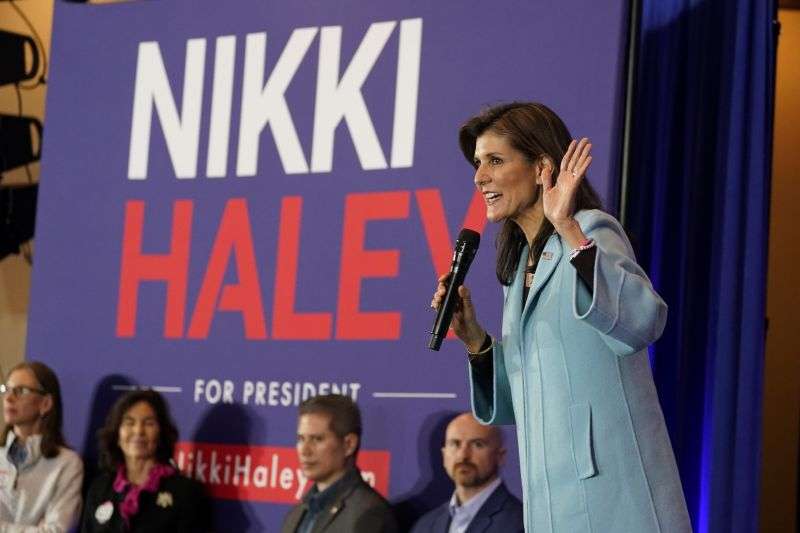
Former U.N. Ambassador Nikki Haley, the last major candidate on the Republican side, enters this week having won a fraction of delegates available in four of the six states and territories that have awarded them thus far.
Republican delegate rules vary by state, but their system generally makes it easier for front-runners to quickly rack up large numbers of delegates because many states — including Super Tuesday's biggest prize, California — award all their delegates to candidates who win a majority of the vote. In Texas, which has the second biggest delegate haul, 150 delegates will be assigned based on the Super Tuesday primary results, while state officials say they will assign another 11 at the statewide convention in May.
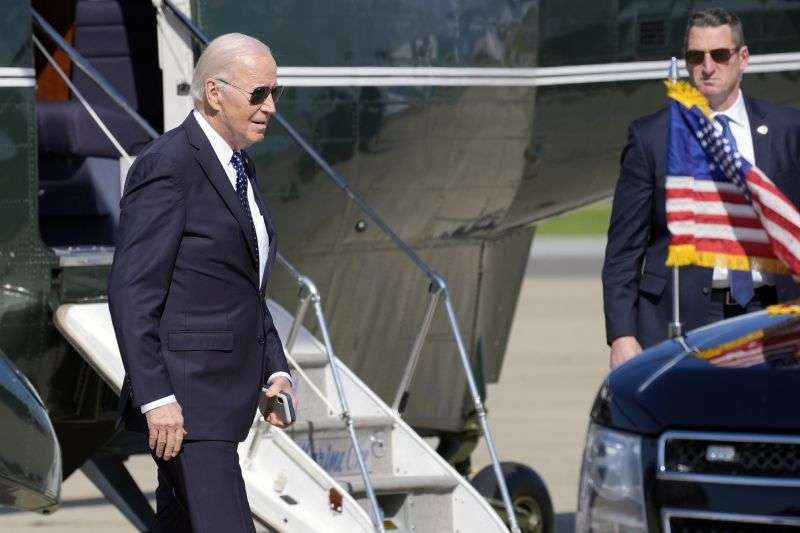
On the Democratic side, President Joe Biden is in a position to pick up a substantial number of delegates. Biden's magic number currently sits at 1,968, though that could shift slightly depending on how the party decides to handle New Hampshire, which broke party rules by holding its party primary in January. The earliest Biden can hit that figure is March 19. He currently has 206 delegates.
Democrats award delegates proportionally everywhere, making it easier for trailing candidates to pick up delegates, at least in theory. Biden's major challenger, Rep. Dean Phillips, hasn't been able to take advantage, but these rules open the door for ballot options like "uncommitted" or "no preference" to receive delegates, should they qualify by meeting a vote threshold of 15%, either statewide or in a congressional district.
These uncommitted delegates, who will arrive at the Democrats' summer convention unpledged and can choose whom to vote for, have been the only thing between Biden and a clean sweep thus far. In Michigan, the "uncommitted" ballot option received two delegates. Seven Super Tuesday states – including Iowa, whose all-mail election will report results that day – offer some sort of "uncommitted" option.